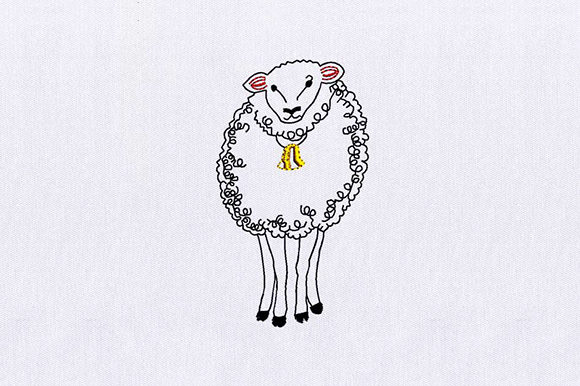
Sheep Embroidery Design Review: Real Testing for Custom Projects
When I first opened the Sheep machine embroidery design, I was looking for something that could work across multiple product types—from a simple baby onesie to a branded tote bag for a small farm shop. The design is labeled under Farm Animals, and it fits that category cleanly, but I wanted to see how it held up under real stitching conditions, not just a digital preview. This review comes from actual test runs on fabric, with an eye toward what works for a craft business, Etsy shop, or custom apparel line.
First Impressions: Mood and Visual Personality
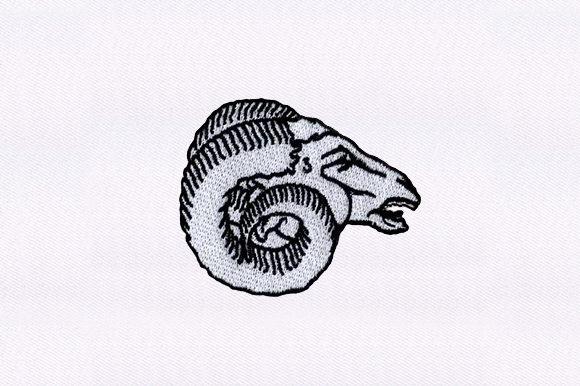
The Sheep design has a gentle, friendly presence. It is not overly detailed or photorealistic, which is a strong point for machine embroidery work. The shape reads clearly as a sheep—rounded body, soft wool texture suggested through fill stitch areas, and a face that feels approachable without being cartoonish. The mood is calm and playful, which makes it suitable for baby embroidery, nursery decor, and personalized gifts. It also has enough visual weight to stand alone on a sweatshirt or tote bag design without requiring additional elements.
From a designer’s perspective, the layout is compact and well-proportioned. The stitch density appears moderate, which is a good sign for fabrics that need to breathe, like cotton t-shirts or tea towels. The design does not rely on excessive tiny details that could get lost in the hoop. This is a practical choice for anyone creating digital embroidery files for resale or for their own handmade product line.
Real-Life Performance Across Projects
I tested the Sheep design on a medium-weight cotton tote bag first. The fabric was a natural cream color, and the design stitched out cleanly with good registration. The satin stitch edges held their shape, and the fill stitch areas did not pucker. For a tote bag design, this is exactly the kind of reliability you need—especially if you are selling finished products at a craft fair or through an Etsy seller shop. Customers notice when stitching is uneven or when the design pulls the fabric.
Next, I tried it on a cotton-polyester blend sweatshirt. This is a common product for custom apparel orders. The design handled the slight stretch of the fabric well, especially with a cutaway stabilizer. The sheep’s face remained crisp, and the wool texture read clearly. I can see this design working for holiday gifts, especially for farm-themed or rustic boutique merchandise. A customer looking for a personalized gift for a new baby or a farm-loving friend would appreciate the charm without it feeling overly cutesy.
I also stitched it as an embroidered patch on a denim jacket. The design’s density is appropriate for patch work—it does not pull the fabric too tight, and the edges are clean enough to trim and seal. For a craft business that offers patches, this is a versatile design asset. It also works well as a cap or hat embroidery, provided you use a proper hoop and stabilizer for curved surfaces. The small size of the design helps it fit within the limited space of a cap front.
Where Sheep Deserves Caution
No design is perfect for every situation, and Sheep has a few limitations worth noting. The wool texture, while charming, uses a moderate stitch density that could be problematic on very thin fabric like lightweight silk or delicate voile. If you are working with a sheer or loosely woven fabric, test on a scrap first. The stabilizer choice becomes critical here—a tear-away might not be enough. Use a cutaway or a medium-weight stabilizer to keep the stitches from distorting.
Dark fabric is another consideration. The design’s thread colors are likely light or white based on the sheep theme. If you stitch it on a dark navy or black sweatshirt, the contrast will be high, but you may need a white bobbin thread or a layer of white underlay to prevent the dark fabric from showing through the fill stitch areas. This is a common issue with any machine embroidery design that uses light colors, and it is worth checking your thread colors and fabric texture before committing to a run of finished products.
Stretchy fabrics like ribbed knits or jersey can also cause the design to shift if not properly hooped. I recommend using a sticky stabilizer or a spray adhesive to keep the fabric stable. The design’s shape is simple enough that it does not have sharp corners or tiny lettering that would be prone to distortion, but the wool area relies on even stitching to maintain its texture. If the fabric stretches unevenly, the sheep can look lopsided.
Visual Appeal, Product Value, and Customer Trust
When you present a finished product with this design, the customer sees care and attention. The sheep is recognizable at a glance, which builds trust in your handmade product. For a small shop product, this kind of clear visual appeal can be the difference between a casual look and a sale. The design also works well in printable mockups for digital product listings. A clean, well-stitched sheep on a tote bag or baby onesie makes your Etsy listing look professional and inviting.
For commercial embroidery use, the design’s simplicity means it can be repeated across multiple items without overwhelming the product. A set of tea towels with a simple sheep embroidery, or a set of baby blankets with the design in the corner, creates a cohesive product line. This is valuable for a craft business or a boutique clothing line. The design does not compete with itself—it adds value without making the product feel busy.
Giftability is another strong point. A personalized gift with this design feels thoughtful and handmade. Whether it is a baby shower gift, a holiday gift, or a wedding gift for a couple with a farm theme, the sheep adds a personal touch that screen printing cannot match. The design’s texture and depth from the fill stitch and satin stitch give it a tactile quality that customers appreciate.
Practical Designer Notes Before You Stitch
Before you run this design for a client or a batch of products, here are a few things to check. First, confirm the exact hoop size required for the Sheep design. The product description says it is a machine embroidery design, but it does not specify the dimensions. You need to open the embroidery file in your software and check the stitch count, hoop size, and thread colors. If you are selling digital embroidery files, include this information in your listing so buyers know what to expect.
Test the design on a scrap fabric that matches your final product. This is a non-negotiable step for any embroidery project. Check the stitch density—if the design feels too dense, reduce the density slightly in your software, or use a lighter stabilizer. If the design feels too loose, add a layer of underlay or increase the density slightly. The goal is to get a clean stitchout that feels soft to the touch and does not distort the fabric.
Thread color contrast is also important. The design likely uses white or light gray thread for the sheep. On a light fabric, this can look subtle and elegant. On a dark fabric, it will pop. Test both options in black and white mockups or in your software’s color simulation to see how the design reads. If you are stitching for a client, show them a sample before committing to a large order.
Finally, review the licensing terms for the embroidery file. The product description says it comes as a machine embroidery design, but it does not specify whether you can use it for commercial embroidery or sell finished products. As a designer and small business owner, I always check the license before using any design in a product I intend to sell. If the license is unclear, contact the seller. This protects your craft business and your customers.
For a design like Sheep, the potential is strong across multiple categories: baby embroidery, holiday gifts, custom apparel, tote bag design, farm-themed products, and boutique merchandise. The key is matching the design to the right fabric, stabilizer, and hoop size. With proper testing and preparation, this design can be a reliable asset in your digital embroidery file library.
Whether you are a hobbyist stitching a gift for a friend or an Etsy seller building a product line, Sheep offers a clean, charming addition to your embroidery projects. It is not a complicated design, but it is a thoughtful one—and that is often exactly what a handmade product needs.