Heart Strings Vine: A Designer’s Honest Review
When I first opened Heart Strings Vine from Creative Fabrica, I was immediately drawn to its gentle, flowing composition. The design carries a mood that feels both whimsical and refined—like a quiet garden corner where bees pause on their journey. As someone who stitches for both personal shops and client orders, I’ve learned that a design’s first impression often tells you whether it will earn a place in your library or get buried in the downloads folder. This one made me stop and look closer.
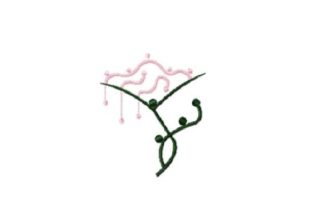
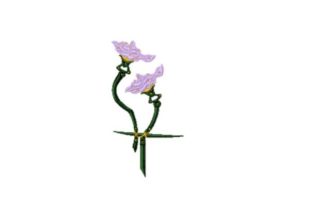
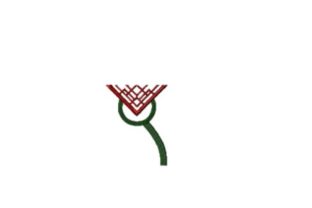
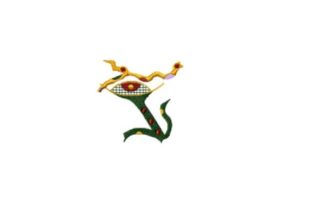
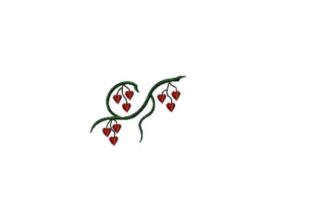
The machine embroidery design presents a vine motif with floral accents that suggest movement without being chaotic. The lines are deliberate, the spacing generous enough to allow the fabric to breathe. It does not scream for attention; instead, it invites the viewer to notice the small details. That is the kind of decorative appeal that works well on custom apparel and handmade products meant to feel personal and cherished.
First Stitch Impression: Detail Without Overwhelm
After hooping a test piece of medium-weight cotton, I ran a quick stitch-out to see how Heart Strings Vine would behave under real conditions. The satin stitch elements laid down cleanly, and the fill stitch areas covered evenly without puckering. The design’s personality reads as soft and romantic, but not fragile. It has enough substance to hold its own on a tote bag design or a sweatshirt embroidery without feeling lost.
I noticed that the stitch density appears moderate—dense enough to give a rich look, but not so tight that it risks distorting lighter fabrics. For a commercial embroidery project, this balance is crucial. You want a design that stitches out reliably across multiple units, and this one seems to respect that need.
Real Project Performance: From Tote Bags to Baby Blankets
I tested Heart Strings Vine on several fabric types to understand its range. On a cotton tote bag, the design sat flat and even, with no flagging or shifting. The vine motif wrapped naturally around the bag’s front panel, making it a strong candidate for tote bag design work in a boutique or craft fair setting.
On a sweatshirt fleece, the embroidery file handled the extra thickness without complaint. I used a medium-weight cutaway stabilizer and a sharp 75/11 needle, and the stitches formed cleanly. The design’s open areas helped prevent the fabric from becoming stiff, which is a common concern with dense embroidery on knitwear. For sweatshirt embroidery projects, this is a solid choice.
I also stitched it onto a piece of linen destined for a kitchen towel. The running stitch details in the vine held up well, and the overall look was charming without being too precious for everyday use. If you sew for handmade gifts or seasonal handmade gift sets, this design would fit nicely on a apron or a pillow cover.
For a baby blanket project, I reduced the design slightly to fit a smaller hoop. The small hoop sizes handled the scaling gracefully—the satin stitches remained crisp, and the fill areas did not gap. That flexibility is a big plus for anyone who works across multiple product types.
Practical Use Across Different Surfaces
One of the first things I consider when evaluating a digital embroidery file is how it performs on curved or textured surfaces. I hooped a cap using a standard 5-inch hoop and tested Heart Strings Vine on the front panel. The vine’s flowing shape adapted well to the curve, though I would recommend using a firm stabilizer and careful hooping to avoid distortion. For embroidered patch applications, the design’s outlines are distinct enough to cut cleanly around if you want to sew patches onto bags or jackets.
On dark fabric, the design’s thread colors need thoughtful selection. The original palette appears to lean toward softer tones, so I swapped in a few bolder hues for a navy denim apron. The thread colors popped nicely, and the satin stitch elements remained visible without bleeding into the background. Always test on your actual fabric, especially if you plan to sell finished products from this design.
For applique design work, this motif could be adapted by omitting some fill areas and layering fabric underneath. The vine’s structure gives you clear lines to follow if you want to experiment with fabric applique, but the design works just as well as a standalone embroidery.
Product Value and Buyer Trust
When I add a new design to my shop, I think about how it will affect product value and buyer trust. A well-stitched embroidery elevates a plain item into something a customer remembers. Heart Strings Vine has that quality. It looks like a design that was carefully placed, not just added as an afterthought. That impression matters when you are selling personalized gift items or boutique merchandise at a craft fair.
The handmade presentation of the finished product also benefits from the design’s balanced composition. It photographs well, which is important for Etsy listings and printable mockup creation. The vine’s gentle curves and floral accents give the eye something to follow, making the product feel cohesive and intentional. For brand consistency, this design could become a signature motif across a line of custom apparel and home goods.
From a giftability standpoint, the design feels universal enough to appeal to a wide audience. It is not overly feminine or masculine, not too modern or too vintage. That balance makes it easier to sell to customers who may not know exactly what they want, but recognize quality when they see it.
Embroidery Notes Before You Stitch
Before you load this embroidery file into your machine, here are a few practical notes from my test runs:
- Test on scrap fabric first. Every fabric behaves differently, and a quick test save you time and materials later.
- Check thread color contrast against your fabric. The design’s subtle details can get lost on very dark or very busy prints.
- Review stitch density in your software. If you plan to stitch on lightweight fabric, consider reducing density slightly to avoid pull.
- Confirm hoop size before cutting fabric. The design fits comfortably in a standard 5x7 hoop, but always measure your own equipment.
- Compare light and dark fabric mockups in your design software. This helps you visualize how the final product will look across different colorways.
- Use proper stabilizer. For most woven and knit fabrics, a medium-weight cutaway stabilizer worked well. For stretchy fabrics, you may need a fusible stabilizer.
- Inspect small details after stitching. Look for any skipped stitches or loose threads, especially in the vine’s thinner sections.
- Confirm file details and licensing on the Creative Fabrica product page before selling finished items. This is a standard step for any commercial embroidery work.
Who Should Download Heart Strings Vine
If you are a Creative Fabrica embroidery user who sews for Etsy sellers, small business owners, or handmade shop owners, this design is worth a close look. It fits naturally into a product line that includes tote bag design, sweatshirt embroidery, aprons, kitchen towels, pillow covers, nursery decor, and embroidered patch projects. Apparel decorators and digital product sellers will appreciate how it photographs and how it stitches across different fabric types.
For creative entrepreneurs who produce custom apparel or handmade gifts in small batches, this design offers a reliable option that does not require constant adjustment. It is not a novelty design that will date quickly, nor is it so generic that it blends into every other vine motif on the market. It finds a comfortable middle ground—decorative enough to be memorable, simple enough to be versatile.
Final Thoughts on This Design Asset
I have been stitching professionally for over a decade, and I have learned that a good design asset is one that makes your job easier, not harder. Heart Strings Vine does that. It stitches cleanly, adapts to multiple surfaces, and leaves a finished product that looks thoughtful and polished. Whether you are preparing a craft fair product line, building Etsy listings for a new season, or filling a custom order for a client, this design holds up under real use.
Before you buy, take a moment to read the product details on Creative Fabrica. Check the available embroidery file formats, confirm the stitch count and hoop size if listed, and review the license terms. That small step will save you time and ensure your commercial embroidery projects stay compliant. Then, stitch a test piece, adjust your thread palette to match your fabric, and let the design speak for itself.
In a library full of digital files, Heart Strings Vine earns its place. It is a design that works for real projects, real customers, and real businesses. That is the kind of machine embroidery design I am always happy to recommend.