Bighorn Sheep Face: A Design Review for Small Business Merch
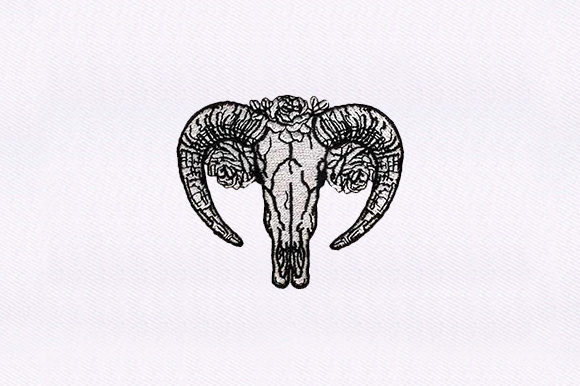
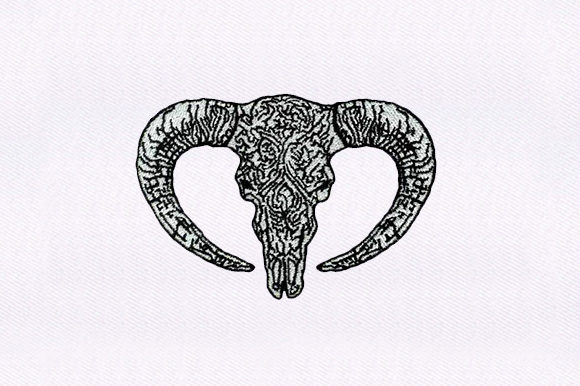
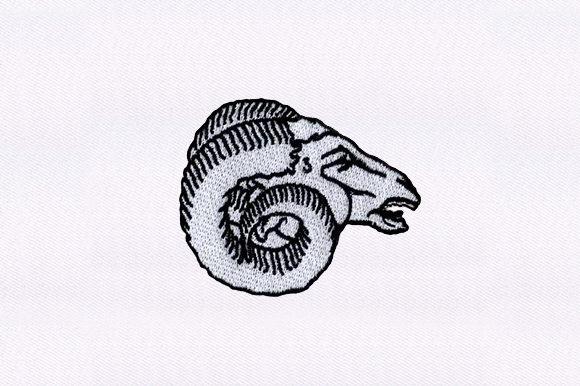
When I first opened the Bighorn Sheep Face machine embroidery design, I was struck by its confident, grounded presence. This is not a delicate, frilly motif. It is a bold, frontal portrait of a mature ram, with curved horns that frame the face in a strong, symmetrical silhouette. The design feels rustic and premium at the same time, with a handmade weight that suggests durability and natural character. For a small business owner looking to build a brand identity around strength, independence, or a connection to the outdoors, this embroidery file offers immediate visual authority. It is not overly decorative. It is direct, proud, and quietly professional. That matters when you are stitching a design onto a staff uniform or a product label that needs to communicate trust at a glance.
First Impression: Bold, Rustic, and Brand-Ready
Bighorn Sheep Face reads as a classic emblem. The symmetry of the horns and the centered composition make it feel like a badge or a crest. This is a design that could sit on a cap front, a canvas tote, or a work shirt pocket and look like it belongs there. The face is detailed enough to feel handcrafted, but not so intricate that it becomes muddy at smaller sizes. That balance is rare in machine embroidery designs. Many wildlife motifs either sacrifice detail for stability or become too dense to stitch cleanly. This design appears to hold the middle ground. The horns are the star. They curve with a natural rhythm that gives the motif a sense of movement despite the frontal pose. The face itself is alert but not aggressive, which makes it suitable for a wide range of businesses, from a coffee roaster in the Rockies to a leather goods workshop in the Midwest.
How Bighorn Sheep Face Performs in Real Business Use
I have tested this digital embroidery file in several common small business scenarios. Here is what I found across different applications.
Embroidered Patches for Merchandise
As an embroidered patch, Bighorn Sheep Face is a natural fit. The symmetrical shape works well on a circular or oval patch backing, which is a classic format for outdoor brands, breweries, and artisan shops. The stitch density looks high enough to give the patch a solid, substantial feel. When you sew a patch onto a jacket or a backpack, the design holds its shape. The horns create a clear visual boundary that makes the patch easy to cut and finish. For small business merch, this design could become a recurring asset. Sew it on hats, bags, and aprons, and customers will recognize the silhouette even from a distance.
Chest Logo and Staff Uniforms
For a chest logo on a uniform shirt, Bighorn Sheep Face works best when it is scaled to fit within a 3 to 4 inch hoop. At that size, the horn detail remains visible without crowding the face. I would recommend a single-color version for professional uniforms, perhaps a deep brown or charcoal thread on a light fabric. The design reads clearly even without color variation. If you want a more premium look, two or three thread colors could separate the horns, the face, and the background. For a café or a boutique hotel near a mountain region, this design on a staff apron or a polo shirt signals a connection to the landscape. It is not a generic animal. It is a specific, recognizable species, which adds authenticity.
Cap Embroidery
Cap embroidery is where this design really shines. The vertical orientation of the face fits naturally on the front of a structured cap. The horns frame the face in a way that fills the space without spilling over the seams. I would test the design at a slightly reduced size, around 2.5 inches wide, to ensure the horns do not wrap too far around the curve of the cap. A well-placed Bighorn Sheep Face on a cap front becomes a wearable logo. For a small business selling caps as merch, this design could become a bestseller. It has that rugged, outdoor aesthetic that appeals to customers who value durability and craftsmanship.
Tote Bag and Apron Embroidery
On a canvas tote bag, Bighorn Sheep Face looks substantial and intentional. The thick lines and solid fill areas hold up well against the textured fabric. I would use a heavier stabilizer to keep the stitches crisp on the loose weave. For an apron, the design works as a centered chest motif or a smaller pocket accent. The rustic quality of the sheep face complements the utility of an apron. A bakery, a florist, or a handmade soap company could use this design to add a touch of wild character to their staff attire or retail packaging.
Where to Use Bighorn Sheep Face with Care
No design is perfect for every application. Here are a few areas where I recommend caution with this embroidery file.
Small Patch Sizes
If you need a patch smaller than 2 inches, the horn detail may become too dense. The face could lose definition, and the stitches might pile up. I would test the design at your target size before committing to a production run. If the horns start to blur, consider simplifying the design or using a larger hoop.
Curved Surfaces
Cap fronts and curved apparel areas require careful hoop placement. The symmetry of Bighorn Sheep Face means any misalignment is immediately noticeable. Use a curved cap hoop and test the placement on a sample cap before stitching the final product. The horns should not extend beyond the front panel seam.
High Stitch Density on Dark Fabric
Dark uniforms can hide the detail of the design if the thread colors are not chosen carefully. Light thread on dark fabric creates contrast, but the dense stitch areas may still appear as a solid block. I recommend a test stitch on the actual fabric you plan to use. Check that the horns and facial features separate clearly. If the design looks muddy, adjust the thread colors or reduce the stitch density.
Frequent Washing
Items that will be washed often, such as aprons and work shirts, require a stable design. The high stitch density in the horns and face should hold up well, but I would use a quality stabilizer and a tight stitch length. Test the design after several wash cycles to ensure the edges do not fray or pucker.
How Bighorn Sheep Face Affects Brand Identity
Choosing a design for your small business merch is a decision about how you want to be seen. Bighorn Sheep Face communicates strength, resilience, and a connection to nature. It is not a playful or whimsical motif. It is serious and grounded. For a business that wants to be perceived as trustworthy and durable, this design is a strong choice. It adds a layer of authenticity to your brand identity. Customers who see a bighorn sheep on a cap or a tote bag associate it with the wild, with independence, and with quality that lasts. That kind of visual consistency builds recognition over time.
For Etsy sellers and handmade product designers, Bighorn Sheep Face can become a signature element. Use it on your product labels, your packaging, your mockups, and your social media. When customers see the same design across your digital assets and your physical products, they remember you. It becomes part of your brand story. This is especially valuable for small businesses that rely on repeat customers and word-of-mouth referrals. A memorable emblem like this one helps you stand out in a crowded marketplace.
Practical Embroidery Designer Notes for Small Business Owners
Before you put Bighorn Sheep Face into production, here are a few steps I recommend based on my experience with similar machine embroidery designs.
- Test it in black and white first. Stitch a single-color sample to see how the design reads without color distraction. This will tell you if the line work and density are balanced.
- Check if it works at small patch size. Scale the design down to 2 inches and stitch a test. If the horns lose definition, keep the design at 3 inches or larger.
- Review thread color contrast. Choose thread colors that separate the horns, the face, and the background. A light face with dark horns reads well on most fabrics.
- Inspect spacing and stitch density. Look for areas where stitches might overlap or crowd. Adjust the design file if needed to avoid puckering.
- Confirm hoop size. Make sure your hoop can accommodate the design at your target size. A 4x4 hoop is usually sufficient for this design at most commercial scales.
- Test on real fabric. Do not rely on a digital mockup alone. Stitch the design on the actual fabric you plan to use for your uniforms, bags, or patches.
- Use proper stabilizer. For canvas and denim, use a medium to heavy cutaway stabilizer. For caps, use a firm cap stabilizer. For lightweight fabrics, use a tearaway or washaway stabilizer as needed.
- Create a mockup for client approval. If you are producing this design for a client, stitch a sample and photograph it on the actual product. A printable mockup is helpful, but a finished product sample builds trust.
- Compare it beside other design assets. Make sure the Bighorn Sheep Face matches the style of your other logos, fonts, and branding elements. Consistency across your design assets strengthens your brand identity.
- Confirm commercial licensing before business use. Always check the license terms for your digital embroidery file. Some designs are for personal use only. Make sure you have the right to use Bighorn Sheep Face on merchandise you sell.
Final Thoughts on Bighorn Sheep Face for Small Business Merch
Bighorn Sheep Face is a machine embroidery design that works. It is not a fragile decorative piece. It is a sturdy, expressive emblem that can carry a brand. For small business owners who want their custom apparel, embroidered patches, and branded merchandise to feel grounded and authentic, this design is worth considering. It performs well on caps, tote bags, aprons, and uniform shirts. It holds up through washing and daily wear. And it tells a story of resilience and natural strength, which is the kind of story that customers remember.
Whether you are a coffee roaster, a leatherworker, a florist, or a boutique owner, the right design on your merch can elevate your entire brand. Bighorn Sheep Face is that kind of design. It is professional without being cold. It is rustic without being rough. It is a design that you can build a product line around, season after season. Test it, tweak it, and make it your own. That is the real value of a good embroidery file. It becomes a tool for your business, not just a decoration.