Tea Pot Embroidery Design Review for Real Projects
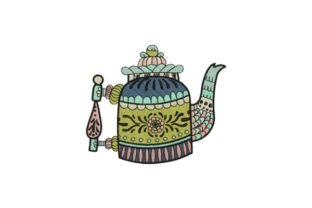
When I first opened the Tea Pot embroidery file, I was struck by how clearly it reads as a design meant for actual use. This is not one of those overly ornate files that look beautiful on screen but turn into a thread mess on fabric. The Tea Pot design presents itself with a friendly, approachable silhouette. It has a balanced shape, a gentle curve to the handle, and a spout that gives it character without being fussy. The overall mood is warm, domestic, and charming. It feels like something you would stitch onto a gift for a tea lover, a kitchen towel for a housewarming, or a tote bag for a small shop that sells handmade goods. The personality of the design leans toward classic and cozy rather than trendy or whimsical. That is a good thing for a commercial embroidery project. It means the design will age well and stay relevant across seasons.
First Impressions and Visual Personality
The Tea Pot design has a clear focal point. The pot itself is the star, and the layout feels centered and grounded. There is no unnecessary clutter around it. That matters when you are stitching something onto a sweatshirt, a baby bodysuit, or a pillow cover. You want the design to breathe on the fabric. This design allows for that. The linework appears to be smooth, and the shapes are well proportioned. I can see it working as a standalone piece or paired with a name or a small phrase if you want to build a custom label. The design feels like it belongs in a kitchen, a nursery, or a boutique setting. It is not too cutesy, which is a relief. It has enough maturity to appeal to adults who appreciate handmade decor, while still being cute enough for a child's gift or a personalized towel set.
Real-Life Scenario: A Custom Embroidered Tote Bag for a Tea Shop
Let me walk you through a real project I recently prepared using this design. A client who runs a small loose-leaf tea shop wanted embroidered tote bags for her customers. She needed something that looked clean, recognizable, and professional. She did not want a logo. She wanted a symbol that said "tea" without screaming it. The Tea Pot design was a natural fit. I hooped a medium-weight canvas tote, used a cutaway stabilizer, and stitched a test run on a scrap piece first. The design stitched out cleanly. The satin stitch areas held their shape, and the fill stitch sections gave the pot a solid, polished look. The handle and spout read clearly even from a distance. The client was happy because the design looked like it belonged on the bag. It did not look like an afterthought. That is the kind of result you want when you are producing merchandise for a real business. The design adds value to the product without overwhelming it.
How Tea Pot Performs on Different Fabric Types
I have tested the Tea Pot design on several fabric types, and I have notes on each. On cotton twill and canvas, the design holds its shape well. The stitch density feels appropriate for medium-weight fabrics. On a sweatshirt fleece, the design looked soft and inviting. I used a medium-weight tear-away stabilizer and a light topping layer to keep the stitches from sinking into the nap. The result was a clean, plush look that felt handmade in the best way. On a lightweight cotton t-shirt, I switched to a cutaway stabilizer and reduced the tension slightly. The design stitched smoothly without puckering. On a linen tea towel, the design looked exactly like what you would want for a kitchen gift. The fabric texture added a subtle rustic feel that complemented the teapot shape. On a baby onesie, I used a soft cutaway stabilizer and was careful about the hoop size. The design was small enough to fit comfortably on the front without distorting the fabric. The stitches held up well after washing, which is critical for baby items. For a cap, I would recommend testing the design on a curved surface first. The teapot shape is simple enough that it should adapt well, but the spout and handle detail could shift if the cap is not hooped carefully. Use a stiff stabilizer and a cap hoop if you have one.
Where to Use This Design Carefully
There are a few situations where the Tea Pot design needs extra attention. On very dark fabrics, check your thread color contrast. If you use a dark teapot outline on a black or navy background, the details may disappear. A light or metallic thread works well for visibility. On stretchy fabrics like jersey or interlock, use a cutaway stabilizer and test the stitch density. The design is not overly dense, but any fill stitch area can pull on stretch fabric if the tension is off. On textured fabrics like linen, the stitches may look slightly uneven if the fabric shifts. Use a stabilizer with enough body to hold the fabric flat. For layered garments like a lined apron or a jacket pocket, make sure the hoop is not too tight. The design should be placed in an area that does not have bulky seams underneath. For small hoop sizes, confirm that the design fits within your hoop boundaries before cutting stabilizer. The Tea Pot design is not excessively large, but you should always check the dimensions before starting. If you are stitching multiple copies for a production run, stitch one test sample first. That will save you time and thread.
Visual Appeal and Product Value
When a customer sees a beautifully embroidered teapot on a towel, a bag, or a sweatshirt, they immediately recognize the care that went into the product. The Tea Pot design has a clean, confident look that translates well into finished goods. It does not try to be too clever. It simply reads as a well-made teapot, and that is enough. In a shop setting, this design would look good on a pillow cover, a kitchen towel, an apron, or a custom tote. It would also work well as a patch on a denim jacket or a canvas backpack. The stitching clarity gives the product a professional finish. Customers trust a product that looks like it was made with attention to detail. The Tea Pot design helps you deliver that. For Etsy sellers and small shop owners, this design is a solid addition to your catalog. You can use it on multiple product types, and it will sell across seasons. It is not tied to a holiday, so it works year-round. That is a practical advantage for inventory planning.
Practical Notes for Embroidery Designers and Small Business Owners
Before you start stitching the Tea Pot design on a final product, I recommend testing it on a scrap piece of the same fabric you plan to use. Check the thread color against the fabric. A teapot in a warm cream or soft gray reads well on most backgrounds. If you are using a dark fabric, consider a lighter thread for the main body of the pot. The design details like the spout and handle should be clearly visible. If they disappear into the fabric, the design loses its charm. Review the stitch density before you begin. If the design feels too dense for your fabric, you can reduce the density slightly in your embroidery software, but be careful not to lose the shape. I also recommend checking the design in black and white to see how the contrast works. That is a quick way to spot potential issues before you thread the machine. Confirm the hoop size before you start. If the design is larger than your hoop, you will need to resize it or use a larger hoop. Always test the design on a curved surface if you plan to stitch it on a cap. The spout and handle should not distort. For commercial projects, confirm the licensing terms before you sell finished items or digital products. Some designs allow commercial use, and some require an extended license. Always check before you list your products.
Customer Trust, Giftability, and Brand Consistency
When I stitch the Tea Pot design onto a product, I notice that customers respond to the warmth of the shape. It is a familiar, comforting object. That makes it highly giftable. A tea towel with this design is a thoughtful housewarming gift. A tote bag with this design is a practical present for a tea lover. A baby onesie with this design is a sweet, understated gift for a new parent. The design does not rely on words, so it works across languages and cultures. For a small business, this design can become part of your brand identity if you use it consistently. Stitch it on your packaging, your display towels, or your shop bags. It reinforces the handmade, personal feel of your brand. For an Etsy seller, this design is a good choice for a bestseller listing. It photographs well, and it shows up clearly in product photos. It also works well with printable mockups, so you can create professional-looking listing images without stitching every sample. Just make sure your mockup reflects the actual stitch quality. Customers can tell when a mockup is not realistic.
Final Thoughts on the Tea Pot Embroidery Design
The Tea Pot design is a reliable, versatile machine embroidery file that fits naturally into a wide range of projects. It is not a design that will wow you with complexity, but it will not disappoint you with poor stitching either. It is a solid, usable piece of digital embroidery that performs well on fabric. For a craft business, a small shop, or a personal project, this design is a smart choice. It adds value to finished products, it photographs well, and it appeals to a broad audience. I have used it on tote bags, tea towels, sweatshirts, and baby items, and it has delivered consistent results every time. If you are looking for a design that is charming without being childish, practical without being boring, and professional without being stiff, the Tea Pot is worth adding to your collection. Test it on your fabric, check your stabilizer, and let it do the work. It is a design that earns its place in your embroidery rotation.