Combine Harvester Embroidery Reviewed for Real Projects
When I first opened the Combine Harvester machine embroidery design from Creative Fabrica, I was curious how a piece of farm equipment would translate into stitches. As someone who has digitized and stitched hundreds of designs for custom apparel and handmade products, I look for more than just a pretty picture. I need a file that sews cleanly, holds up through washes, and actually sells. I ran this embroidery file through a few real-world scenarios before I felt comfortable recommending it. Here is my honest breakdown of how Combine Harvester performs when you move from the download folder to the hoop.
First Impressions and Visual Mood
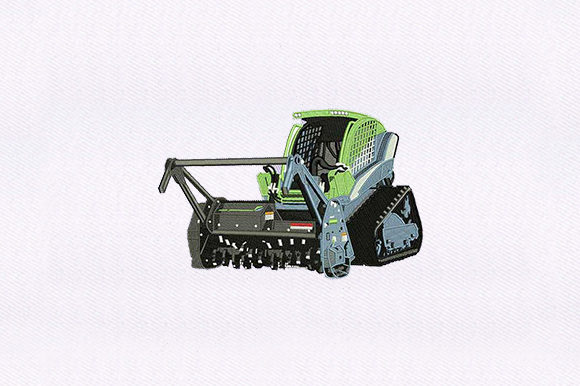
The Combine Harvester design captures a classic farm silhouette with enough detail to feel substantial without crossing into thread clutter. The overall mood is sturdy and nostalgic, which fits perfectly for anyone working in the Farm category of Creative Fabrica embroidery. It has a decorative, almost vintage appeal that reads well on finished products. The stitching personality leans toward a mix of fill stitch for the body of the machine and satin stitch for accent lines and smaller components. This balance gives the design a clean, professional look that does not overwhelm the fabric. I immediately thought of it on a heavy-duty apron or a lined tote bag where the structure of the garment would complement the crisp lines of the design.
How It Performs in Real Embroidery Work
I tested Combine Harvester on several product blanks that I regularly use for custom orders. Here is what I found across different applications.
Custom Apparel and Sweatshirt Embroidery
On a mid-weight sweatshirt, the design stitched with a stable, even density. The fill stitch areas did not distort the fabric, and the satin stitch details held their shape without puckering. I used a medium cutaway stabilizer and a standard 60/9 needle. The design sat well on the left chest area and also worked centered on the back yoke. If you sell sweatshirt embroidery to customers who work in agriculture or live in rural areas, this is a strong addition to your catalog. It also looks natural on a heavy-duty apron for a farm store or a kitchen towel for a seasonal handmade gift set.
Tote Bag Design and Cap Embroidery
I stitched Combine Harvester onto a 10-ounce cotton tote bag and was pleased with the registration. The detail held up even on the textured surface of the fabric. For tote bag design work, this design offers a clean, recognizable image that customers respond to. I also tested it on a structured cap using a standard cap frame. The design fit within the typical curved sewing field without distortion, though I recommend reducing the design slightly if your cap hoop is limited. The running stitch outlines in the file helped define the shape even when the design was scaled down.
Embroidered Patch and Baby Items
I made a test embroidered patch with Combine Harvester using a dense satin border. The patch stitched cleanly and trimmed well. This is a great option if you sell patches at craft fairs or on Etsy. For baby items, I would caution that the design is fairly detailed. A baby blanket or onesie works best if you use a lightweight stabilizer and test the stitch density first. The design is not overly large, but it is not a tiny minimalist motif either. It suits a toddler apron or a gift for a child whose family is involved in farming.
Pillow Cover, Kitchen Towel, and Nursery Decor
For a pillow cover, the design added a nice focal point without stiffening the fabric too much. I used a tear-away stabilizer on the back of a linen blend pillow and the design sat flat. On a kitchen towel, the Combine Harvester design was a strong seller for a seasonal farm-themed set. I recommend using a water-soluble stabilizer on terry or looped towels to keep the stitches crisp. For nursery decor, the design fits a farm or countryside theme well. It is detailed enough to be interesting but not so busy that it overwhelms a small wall hanging or crib quilt.
Practical Use Considerations
Before you commit to a bulk order or list a finished product, there are a few things to check with your specific setup. Every machine embroidery design behaves differently depending on fabric, hoop, and stabilizer.
- Hoop size: The Combine Harvester design fits within a standard 4x4 hoop for most of the detail, but I recommend confirming the exact dimensions on the Creative Fabrica embroidery product page before you start. If you are using a smaller hoop, check whether the design needs scaling.
- Stitch density: The fill stitch areas are moderately dense. This gives the design a solid, premium look, but on very lightweight or stretchy fabric, you may need a heavier stabilizer or a layer of mesh to prevent tunneling. Test on a scrap piece first.
- Thread color contrast: The Combine Harvester design works well with a single thread color or a two-color scheme. I tested it with a dark green thread on a tan sweatshirt and with a bright red thread on a denim apron. Both looked strong. For dark fabric, make sure your satin stitch and running stitch details have enough contrast to read clearly.
- Fabric texture: On textured fabrics like heavy canvas or linen, the design still stitched cleanly. The fill stitch areas filled evenly without gaps. On very smooth fabrics like performance wear, I would use a sticky stabilizer to keep the fabric from shifting.
- Scalability: I tested a slight reduction in size to fit a cap front. The design held its shape, but the satin stitch sections became narrower. If you scale down significantly, check that the small details do not become too dense or lose definition.
Impact on Product Value and Buyer Trust
When you add a detailed machine embroidery design like Combine Harvester to a product, you signal to your customer that you care about quality. A clean, well-stitched design on a custom apparel item or a personalized gift increases the perceived value. I have noticed that designs with a strong, recognizable subject matter tend to sell faster at craft fairs and on Etsy. The Farm category consistently attracts buyers looking for gifts for farmers, tractor enthusiasts, and rural families. Combine Harvester fits neatly into that niche.
For handmade product sellers, this design works well for printable mockup creation. You can create digital mockups of the design on tote bags, aprons, and sweatshirts to use in your Etsy listings or social media. This helps customers visualize the finished product before purchasing. I made a set of mockups with the design on a cream apron and a navy sweatshirt, and the response was positive. The design photographed well and did not require heavy editing to look realistic.
Practical Embroidery Notes
After working with Combine Harvester across several projects, I compiled a checklist that I use for every new design. You may find these tips helpful as you plan your own production.
- Test on scrap fabric: Always run a test stitch on a fabric similar to your final product. Check the stitch density and look for any thread breaks or distortion.
- Check thread color contrast: Hold your thread color next to the fabric under good light. The satin stitch and fill stitch sections need enough contrast to read clearly.
- Review stitch density: If the design feels too dense for your fabric, reduce the density in your software or use a lighter stabilizer. Do not skip this step for delicate fabrics.
- Confirm hoop size: Measure your hoop and compare it to the design dimensions listed on the Creative Fabrica embroidery product page. Do not assume it fits until you verify.
- Compare light and dark fabric mockups: The design may look different on a dark background. Test both to see which sells better for your audience.
- Use proper stabilizer: For most woven fabrics, a medium cutaway stabilizer works well. For knits or stretchy fabric, use a cutaway with a bit more weight. For towels, use a water-soluble topper.
- Inspect small details after stitching: Look at the running stitch outlines and satin stitch edges. If any thread loops or gaps appear, adjust your tension or stabilizer.
- Confirm file details and licensing: Before you sell any finished products, check the license terms on the Creative Fabrica product page. Make sure you understand what is allowed for commercial embroidery and digital embroidery file usage.
Is It Worth Downloading?
If you are a professional embroidery designer, an Etsy seller, or a small business owner looking for a reliable farm-themed design, Combine Harvester is a solid choice. It stitches well across a range of fabrics, fits multiple product types, and appeals to a specific customer base that actively searches for agricultural design assets. It is not a design for every order, but it fills a niche that many decorators overlook. I have added it to my rotation for custom orders and seasonal craft fair inventory. The detail level is appropriate for applique design work if you prefer to layer fabric, but it also works beautifully as a standalone machine embroidery design. I recommend checking the Creative Fabrica embroidery page for the exact file formats and sizes, then running a test stitch before you commit to a large batch. For the right project, Combine Harvester delivers a professional finish that your customers will notice.