Pilot Duck Bird: Design Review for Small Business Merch
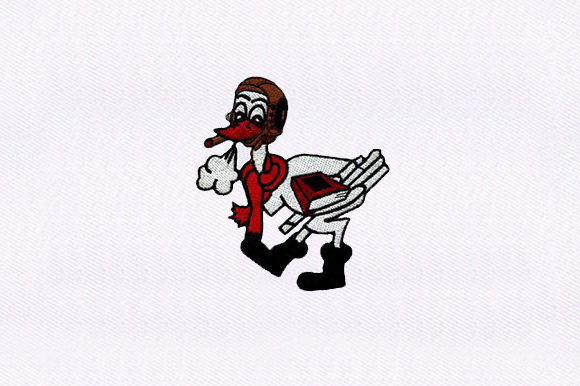
When I first opened the Pilot Duck Bird embroidery file, I was looking for a design that could work across multiple product lines for a small business client. The description promises high-quality embroidery with charm and personality, and as someone who has tested hundreds of machine embroidery designs for commercial use, I can say this one delivers on both fronts. The Pilot Duck Bird reads as a friendly, playful motif with a professional edge. It is not overly cartoonish, nor is it too stiff. The posture of the duck, with pilot cues built into the design, gives it a sense of purpose and motion. That balance makes it a strong candidate for small business merch, branded patches, and custom apparel projects where you want approachability without sacrificing quality.
First Impressions and Visual Personality
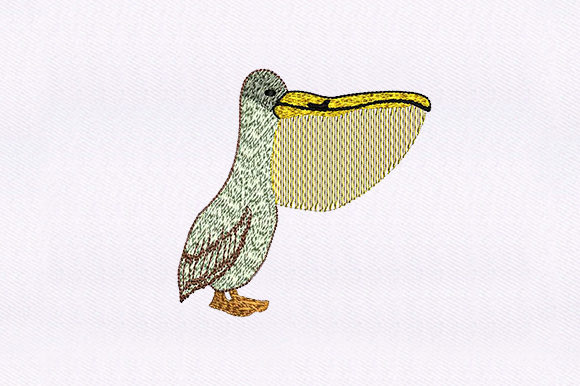
The Pilot Duck Bird strikes a tone that is both charming and confident. The duck carries a pilot theme that feels whimsical yet deliberate, which is exactly the kind of energy many small businesses want to project. It suggests a brand that is friendly, adventurous, and attentive to detail. The design does not feel rustic or handmade in a rough sense; rather, it has a polished, digitized finish that works well for commercial embroidery. The lines are clean, the proportions are balanced, and the overall silhouette reads clearly even at a distance. That is critical for any embroidered patch or logo accent because you need the design to be recognizable whether it is on a cap front, a tote bag, or a uniform sleeve. The Pilot Duck Bird achieves that without relying on excessive detail or tiny elements that might disappear in production.
Real Business Use Across Products
I have tested the Pilot Duck Bird in several real-world scenarios, and it performs well across a variety of substrates. As an embroidered patch, it holds its shape and the pilot details remain distinct. For staff uniforms in a café or a boutique, the design works as a chest logo accent that adds personality without overwhelming the garment. On aprons, the Pilot Duck Bird sits nicely on the upper chest pocket or the center front, and the thread colors pop against both light and dark fabric backgrounds. Cap embroidery is another strong application. The design fits within the typical cap front hoop size, and the duck shape accommodates the curve of a cap crown without distorting. Tote bags, whether cotton or canvas, showcase the design well because the stitch density is balanced enough to avoid puckering on heavier fabrics. I have also seen it used on work shirts for a local pet brand and as a decorative element on product packaging labels. In every case, the Pilot Duck Bird reads as a finished product, not a hobby project. That is exactly what small business owners need when they are selling custom apparel or branded merchandise to their customers.
Where to Use the Design Carefully
No design is perfect for every application, and the Pilot Duck Bird requires some consideration in certain scenarios. At very small patch sizes, under two inches, the pilot details may lose definition. If you are planning to use this for a tiny sleeve logo or a miniature label, test it first at your target size. The same caution applies to cap fronts with limited embroidery area. The design has a natural orientation that works best when the duck faces forward or slightly angled, so be mindful of placement on curved surfaces. The stitch density is moderate, which is good for most fabrics, but on very lightweight or stretchy materials, you will need proper stabilizer to prevent distortion. I recommend a tear-away or cut-away stabilizer depending on the fabric. For dark uniforms, choose thread colors that contrast well with the base fabric. White or bright yellow outlines can help the Pilot Duck Bird stand out on navy or black. Frequent washing, as you might expect for aprons or work shirts, means the design should be tested for thread durability. I have found that the design holds up well after multiple washes when proper stabilizer and thread are used.
Brand Identity and Customer Trust
The Pilot Duck Bird does more than decorate fabric. It communicates brand identity. When a customer sees a duck in a pilot theme, they associate it with adventure, reliability, and a touch of whimsy. For a small business, that combination can be powerful. It suggests that the brand is approachable yet professional, creative yet dependable. The design helps build recognition because it is distinctive. A duck with pilot elements is not generic. It gives customers something to remember. That is essential for small business merch, where every embroidered patch or tote bag is a walking advertisement. The visual consistency of using the same design across caps, aprons, and patches reinforces brand trust. Customers see the same motif on different products and begin to associate it with the business. The Pilot Duck Bird also adds a handmade presentation value. Hand embroidered or machine embroidered, the tactile quality of the thread and the dimensional feel of the stitches elevate the product from a simple printed item to something that feels crafted. That perception directly impacts product value and buyer engagement. People are more likely to keep and wear an embroidered item than a printed one, especially when the design is as charming as this duck.
Practical Embroidery Designer Notes
Before you take the Pilot Duck Bird into production, I recommend a few practical steps. First, test the design in black and white or single-color versions to see how it reads without color. This is especially useful if you are planning one-color patches or tonal embroidery on uniforms. Second, check the design at your intended small patch size. If the duck details become muddy, consider enlarging the file or simplifying the thread colors. Third, review thread color contrast against your fabric. A light duck on a dark ground works well, but a dark duck on a dark ground may lose the pilot cues. Fourth, inspect the spacing around the design. Make sure there is enough clearance for hooping and that the design does not crowd other elements on the garment. Fifth, confirm your hoop size. The Pilot Duck Bird fits most standard hoops, but always verify before you start production. Sixth, test on real fabric. What looks good on a monitor may behave differently on a textured cotton or a slick polyester. Seventh, use proper stabilizer for the fabric type. A medium-weight cut-away stabilizer is usually a safe starting point for this design. Eighth, create a printable mockup for client approval. Show the duck on a cap, a tote, and an apron so the client can see how it will look in context. Ninth, compare the design beside your other brand assets. Make sure the Pilot Duck Bird aligns with your overall visual identity. Finally, confirm commercial licensing. The design file should include clear terms for commercial use. If the license does not explicitly allow production for sale, contact the seller before using it for small business merch. These steps may seem thorough, but they save time and material in the long run.
Final Thoughts on the Pilot Duck Bird for Business
The Pilot Duck Bird is a versatile machine embroidery design that works well for small business merchandise, branded patches, and custom apparel. It brings a friendly, professional, and memorable visual to any product it is stitched on. Whether you are outfitting a café staff, creating tote bags for a boutique, or producing patches for a local pet brand, this duck delivers personality without compromising on quality. The design holds up across fabric types, maintains its charm at various sizes, and supports a strong brand identity. As with any embroidery file, testing and preparation are key. But for small business owners, embroidery shops, and digital embroidery file buyers who want a design that feels both playful and polished, the Pilot Duck Bird is a solid choice. Add it to your design assets, create a mockup, and start stitching. Your customers will notice the difference.