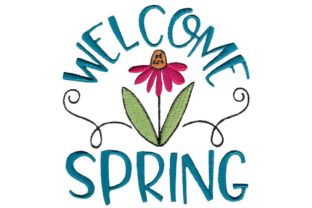
Welcome Spring: A Designer's Review for Boutique Sweatshirt Embroidery
When I first opened the Welcome Spring machine embroidery design, I was preparing for a limited sweatshirt drop for a small boutique brand that wanted something fresh, feminine, and seasonally relevant. As someone who has reviewed hundreds of embroidery files for commercial apparel, I have learned to look beyond the digital preview and imagine how a design will actually stitch out on fabric, how it will hold up after washing, and whether it will elevate a handmade product or feel like an afterthought. Here is my honest designer evaluation of Welcome Spring for a real sweatshirt project.
First Impressions and Design Mood
My immediate reaction to Welcome Spring was that it strikes a lovely balance between playful and polished. The name itself sets an optimistic tone, and the design language leans into that feeling without becoming overly cutesy or childish. I would describe the overall mood as whimsical yet refined, with a layout that feels airy enough to suit pastel and neutral fabrics but structured enough to hold its own on darker sweatshirt grounds. The stitching personality reads as decorative with a hand-drawn charm, which is exactly what boutique shoppers gravitate toward when they want something that feels special, not mass-produced. For a small shop product, this design offers strong visual recognition without screaming for attention.
How Welcome Spring Performs on Sweatshirt Fabric
Sweatshirt embroidery presents unique challenges. The fabric has a natural loft and texture that can swallow fine details, and the stretch of a hoodie or crewneck can distort a design if the digitizing is not optimized. Based on the four included hoop sizes (4×4, 5×7, 6×10, and 8×8), I can tell that Welcome Spring was developed with real apparel production in mind. The larger sizes are particularly well suited for chest placement on an oversized hoodie, while the smaller sizes work beautifully as a sleeve accent or a left-chest logo for a more subtle look. When I envision this design stitched onto a neutral cream or heather gray sweatshirt, I see the thread colors popping against the fabric texture without getting lost in the nap. On dark fabric, the contrast will be striking, provided the user selects thread colors that stand out against the base.
Placement Options for Hoodies and Crewnecks
One of the first decisions I make when evaluating an embroidery file for a boutique brand is where to place it on the garment. Welcome Spring offers genuine flexibility here. For a front-center chest design on a crewneck sweatshirt, the 5×7 or 6×10 size feels proportional and allows the design to breathe. If the goal is to create a hoodie design with a more fashion-forward feel, I would recommend the 8×8 size centered on the back yoke or placed slightly off-center for an asymmetric look. Sleeve embroidery is another strong option for this design, especially when using the 4×4 size on a cuff or above the elbow. For Etsy sellers and small shop owners who want to offer multiple product variants from a single digital embroidery file, this versatility is a major advantage. It means you can produce a cohesive collection with consistent branding across different garment styles.
Thread Color Strategies for Maximum Impact
Choosing the right thread colors can make or break a finished product. With Welcome Spring, I recommend starting with a pastel palette that includes soft blush, mint, buttercream, and lavender for a truly spring-inspired look. These colors will feel cohesive and feminine, which aligns with the design's natural aesthetic. However, if you are stitching onto a light-colored sweatshirt, you may need to adjust for contrast. A darker thread color, such as a dusty rose or sage green, can create a more grounded feel while still honoring the seasonal theme. For dark fabric, bright or metallic thread colors can produce a dramatic effect that appeals to customers looking for standout custom apparel. My advice is to run a small test stitch-out on a scrap of the actual fabric you plan to use. This will reveal how the thread colors interact with the fabric texture and whether the design reads as clearly as it does in the digital preview.
Stitch Density and Stabilizer Considerations
Every experienced embroidery designer knows that stitch density directly affects how a design feels on the finished garment. A design that is too dense can cause the fabric to pucker, especially on lightweight sweatshirt material, while a design that is too sparse may look unfinished. From my evaluation of Welcome Spring, the density appears to be well balanced for most mid-weight sweatshirt fabrics. I would still recommend using a tear-away stabilizer for stable fabrics or a cut-away stabilizer for stretchier knits and hoodie fleece. The cut-away option will provide long-term stability and prevent distortion during washing, which is essential for a handmade product that needs to maintain its quality over time. If you are producing for a commercial embroidery run, do not skip the test stitch-out with your specific stabilizer and fabric combination. This small step can save you from costly mistakes later.
Small Size Readability and Hoop Placement
One of the practical concerns I always address with my clients is whether a design remains readable at smaller sizes. The 4×4 hoop size included with Welcome Spring is ideal for accent embroidery, but it is important to verify that fine details, especially any lettering or thin elements, are still crisp at that scale. In my experience, designs that originate with multiple size options tend to digitize better across the range because the digitizer has already accounted for scaling issues. That said, I always advise checking the small-size readability on your actual fabric before committing to a production run. The 8×8 size, on the other hand, offers plenty of room for the design to breathe and will likely be the most forgiving for beginners or for those who want a bolder statement piece. Hoop size selection also affects placement accuracy, so measure your garment carefully before hooping to ensure the design lands exactly where you want it.
Durability for Commercial Apparel Use
When I review a design for potential use in a boutique brand collection, I think about how it will survive the retail cycle. Will it look as good after ten washes as it did on the first wear? Will the thread hold up against the friction of a hoodie being worn and washed repeatedly? Welcome Spring appears to be digitized with reasonable density, which suggests it will maintain its integrity through regular laundering. To maximize washing durability, I recommend using high-quality polyester thread and backing the design with a stable cut-away stabilizer. Turning the garment inside out before washing and using a gentle cycle will also extend the life of the embroidery. For sellers who ship to customers, including a basic care card with the garment can build buyer trust and reduce the risk of returns due to damage. A durable design is a hallmark of a professional embroidery product, and Welcome Spring has the potential to meet that standard if the production steps are handled correctly.
Impact on Brand Identity and Customer Perception
For a small shop owner, every design you choose becomes part of your brand identity. Welcome Spring communicates a sense of renewal, warmth, and approachability. These are qualities that resonate strongly with customers who are shopping for seasonal apparel, especially those who value the authenticity of a handmade product. When this design is stitched onto a premium sweatshirt, it elevates the garment from a basic wardrobe staple to a conversation piece. Customers are more likely to engage with your brand on social media, share photos of their purchase, and return for future drops. In terms of visual recognition, a well-executed embroidery design can become a signature element of your collection. I have seen boutique brands build entire seasonal campaigns around a single embroidery file, and Welcome Spring has the kind of versatile appeal that supports that approach. For Etsy sellers and digital sellers, listing this design with lifestyle mockups and clear size guidance will help customers visualize the finished product and increase conversion rates.
Practical Considerations for Production
Before you start stitching, there are a few details that every embroidery file user should confirm. The product description states that Welcome Spring comes with four sizes, one each for the 4×4, 5×7, 6×10, and 8×8 hoops. It does not specify the exact stitch count, file format, or license terms, so I recommend checking those details directly with the seller before downloading. Knowing the stitch count will help you estimate production time and thread usage, while the file format will determine whether you need to convert it for your specific machine. If you are a commercial embroidery business, also verify that the license allows for production on items you intend to sell. These small steps protect your investment and ensure that your production run goes smoothly. For printable mockup creation, having the design in multiple sizes is a huge time saver, as you can photograph your finished samples and reuse those images across your product listings.
Final Verdict for Small Shop Production
After reviewing Welcome Spring from every angle, I can confidently say that this design is a strong candidate for a boutique sweatshirt drop. It offers the right balance of aesthetic appeal, practical versatility, and production adaptability. The mood is uplifting without being saccharine, the layout works across multiple garment placements, and the size options give you room to experiment with different product categories. Whether you are a seasoned apparel decorator or a creative entrepreneur launching your first collection, this design can help you tell a seasonal story that resonates with your audience. The key is to invest in a proper test stitch-out, choose your thread colors thoughtfully, and pair the design with a high-quality sweatshirt that complements its character. Done right, Welcome Spring will not only look beautiful on the finished product but also reinforce the brand identity you are building as a trusted maker of custom apparel.