Sitting Unicorn: A Craft Fair Embroidery Review
When I first opened the Sitting Unicorn machine embroidery design, I immediately assessed it through the lens of a weekend craft fair booth. Would this design stop a customer walking past a table of tote bags, aprons, and tea towels? Would it feel like a finished product worth the price, or would it blend into the sea of cute embroidery files that populate every digital shop? After stitching it out and evaluating its real-world performance, I want to share my honest assessment for anyone who sells handmade products at markets, runs an Etsy seller shop, or produces commercial embroidery for boutique buyers.
First Impressions: Cute, Clear, and Booth-Ready
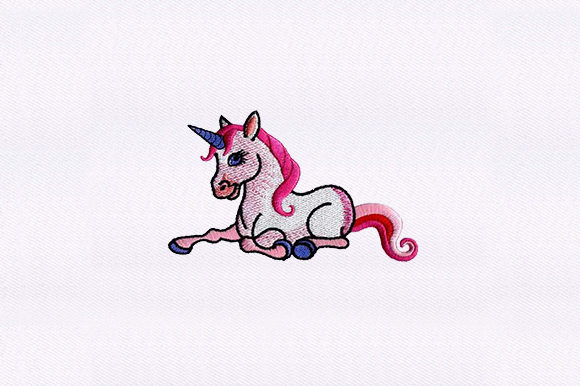
The Sitting Unicorn embroidery file lands squarely in the sweet spot between whimsical and marketable. It reads as a cute, approachable design that feels at home in the Fairy Tales category without being overly childish. The pose is simple and readable at a glance, which matters enormously when a customer is scanning a crowded display table. In my experience, designs that communicate their subject within two seconds sell better than those that require close inspection. This one delivers immediate recognition: a unicorn, sitting, friendly, decorative. That instant clarity is a strong foundation for a craft fair product.
The mood feels soft and minimal rather than heavily detailed or rustic. It leans toward modern charm rather than vintage farmhouse, which gives it flexibility across different booth aesthetics. If you sell at markets that attract families, children's gift buyers, or anyone shopping for whimsical home decor, this design will fit naturally into your product lineup.
Where Sitting Unicorn Shines on Products
I tested the Sitting Unicorn on several product formats that matter for a craft fair booth. Here is where it performed best and where it needed adjustment.
Tote Bags and Market Bags
This is where the design feels most at home. On a sturdy cotton tote, the Sitting Unicorn becomes a focal point that customers notice from across a booth. The sitting pose works well as a centered design on the front panel. It does not require a massive hoop size to look complete, which keeps production efficient for batch orders. I recommend using a medium hoop and centering the design so it sits naturally on the bag. The thread colors pop nicely against natural cotton or canvas, and the design reads clearly even when the bag is folded or stacked on a display table.
Apron Embroidery and Tea Towel Embroidery
On aprons, the Sitting Unicorn works beautifully as a chest or pocket accent. It is not so large that it overwhelms the garment, and it adds a handmade touch that buyers associate with quality. For tea towel embroidery, the design sits well in the lower third of the towel, where it becomes a decorative detail that feels intentional. I would suggest stitching it on a linen or cotton blend towel with a medium-weight stabilizer. The design holds its shape and does not distort on the fabric texture.
Embroidered Patch and Cap Applications
As an embroidered patch, the Sitting Unicorn has strong potential. The clean outline and solid fill areas make it suitable for patch production, whether you sew them on or use heat-seal backing. On caps, however, I recommend reducing the size slightly. The curved surface of a cap can distort designs that are too wide or dense. Test the Sitting Unicorn on a curved cap surface before committing to a batch. If the design includes small details near the edges, those may lose clarity on a cap. A smaller, simplified version of the design would work better for headwear.
Pillow Covers, Pouches, and Giftable Items
For small shop products like fabric pouches, pillow covers, and handmade gifts, the Sitting Unicorn adds perceived value. A simple zipper pouch with this embroidery feels like a premium item, not a basic sewing project. The design size is flexible enough to work on a standard pillow cover or a smaller cosmetic pouch. I found that the design retains its visual appeal at reduced sizes, which is a practical advantage for mixed product lines. You can offer the same digital embroidery file stitched on multiple product types and maintain brand consistency across your booth.
Practical Selling and Production Points
When I evaluate a design for craft fair use, I consider how it performs in real selling conditions. The Sitting Unicorn scores well on several practical fronts.
Readability at a Glance
Customers walking past a booth have limited attention. The Sitting Unicorn reads clearly from a few feet away, especially if you choose thread colors that contrast well with the fabric. The silhouette is simple enough that it does not require close study. This means your booth display can feature multiple items with this design, and customers will immediately understand what they are seeing.
Photography and Online Listings
For Etsy sellers and anyone selling finished products online, the Sitting Unicorn photographs well. The clean lines and moderate stitch density mean the design does not look muddy in photos. I recommend creating a printable mockup or stitching a real sample for your product photography. A well-lit photo of the design on a tote bag or tea towel will convey the handmade quality that buyers want. Include a close-up shot that shows the embroidery texture and thread sheen, as these details sell the product.
Batch Production and Repeatability
For sellers who produce multiple units for a craft fair, the Sitting Unicorn is repeatable. The design does not require excessive re-hooping or frequent thread changes. I was able to stitch several pieces in a row without adjusting tension or re-aligning the hoop. That kind of consistency matters when you are producing twenty tote bags for a weekend market. The stitch density feels balanced, not overly dense, which reduces the risk of thread breaks during production runs.
Careful-Use Notes for Reliable Results
No design is perfect for every surface, and the Sitting Unicorn has a few considerations that deserve attention before you start production.
Dense Stitch Areas and Tiny Details
If the design contains areas of high stitch density, test them on scrap fabric before committing to finished products. Dense stitching can cause puckering on lightweight fabrics or distort the design on thick materials. If the Sitting Unicorn includes small elements like eyes, hooves, or decorative stars, those may lose definition at smaller sizes. I recommend stitching the design at the intended size on a test piece and inspecting the detail areas closely. If you need to reduce the design significantly, check whether the tiny details remain crisp.
Fabric Texture and Stabilizer Choices
On fabric textures like thick towels, fleece, or textured knits, the Sitting Unicorn may require a different approach. Use a tear-away or cut-away stabilizer depending on the fabric weight. For tea towels, a medium-weight tear-away works well. For caps or thick fabrics, a cut-away stabilizer helps maintain shape. Always test the design on the actual fabric you plan to sell, not just on muslin. The interaction between stitch density and fabric texture can make or break the final product.
Dark Fabric and Thread Contrast
If you stitch the Sitting Unicorn on dark fabric, pay attention to thread contrast. The design may use lighter thread colors that read well on medium or light backgrounds, but on black or navy, those colors may shift in appearance. Stitch a test on dark fabric and check whether the design pops or feels dull. Adjusting thread colors for dark backgrounds is a simple fix that can dramatically improve the finished look.
Small Lettering and Fine Details
If the Sitting Unicorn includes any small lettering or extremely fine lines, be cautious when reducing the design size. Small lettering can become unreadable at smaller dimensions, and fine lines may break or distort during stitching. I recommend keeping the design at or near its original size for best results. If you need a smaller version, consider using a simplified edit of the design without the smallest details.
Visual Appeal, Customer Attention, and Booth Display
The Sitting Unicorn has a friendly, approachable aesthetic that invites engagement. At a craft fair, customers are drawn to designs that feel personal and charming. This design does not try to be elegant or rustic; it is comfortable in its own cute identity. That authenticity resonates with buyers who are looking for handmade quality and a personal touch.
When displaying products featuring this design, group them together on your booth table. A cluster of tote bags, tea towels, and small pouches all with the Sitting Unicorn creates a cohesive visual story. Customers will notice the repetition and associate it with your brand. This design supports brand consistency across your product line, which is valuable for building recognition at repeat markets.
The perceived value of the finished product increases when the embroidery looks clean and intentional. A well-stitched Sitting Unicorn on a quality tote bag can command a higher price than a plain bag or a poorly executed design. Buyers are willing to pay for the craftsmanship they can see and feel.
Practical Embroidery Designer Notes
Before you commit the Sitting Unicorn to a full production run for your next craft fair, take these steps to ensure consistent results.
- Test the design on scrap fabric before stitching on your final products. This is the single most important step. You need to see how the design behaves on your chosen material.
- Check thread contrast against your fabric. A design that looks great on white may need color adjustments on gray, navy, or natural linen.
- Review spacing and centering within your hoop size. Confirm that the design fits comfortably and does not crowd the hoop edges.
- Inspect stitch density and adjust if needed. If the design feels too dense, consider using a lighter stabilizer or reducing the design size slightly.
- Use the right stabilizer for each fabric type. A mistake here can ruin a batch of products.
- Create at least one real mockup for photography and display. A stitched sample will sell better than a digital image alone.
- Compare fabric colors to your thread palette. Make sure the combination reads well in person and in photos.
- Confirm commercial licensing before selling finished products. The Sitting Unicorn design is a high-quality embroidery for your next sewing project, but you must verify that your license covers commercial use. Every digital embroidery file comes with its own terms, so review them carefully before you sell stitched items at a craft fair or on Etsy.
Final Thoughts for the Craft Fair Seller
The Sitting Unicorn is a solid addition to a handmade product lineup for craft fairs and online shops. It is cute without being cloying, simple without being boring, and versatile enough to work across multiple product categories. If you are an embroidery business owner or a small shop product creator looking to expand your offerings, this design deserves a spot in your rotation. Test it, photograph it, and put it on your booth table. I believe it will find its audience.